Strategy
He Who Owns the Footage Owns the Bag
Nikki Trufant-Wade
|
He Who Owns the Footage Owns the Bag: Diddy Learned the Hard Way
When Netflix announced there would be a 50 Cent-produced Diddy documentary premiering on the streaming network, everyone who hasn’t been under a rock over the last 20 years knew it would be interesting simply based on the fact that the two hip-hop notables have had beef for what seems like forever and Fiddy is notoriously one of the pettiest people on the planet.

While many of us were fully prepared for Fiddy to go in, it’s safe to say that viewers, by and large, were shocked at just how intimate the footage was. Even more mindblowing was how Diddy’s adversary ended up with it in the first place. It has all resulted in a very costly lesson about intellectual property and brand management in the digital age.
When Sean Combs: The Reckoning premiered on December 2, 2025, the 4-part series included never-before-seen footage, some of which was recorded just six days before his 2024 arrest. Sensitive conversations with his legal team were also included. As expected, Diddy’s legal team sent cease and desist letters and released public statements calling the inclusion of the footage Diddy had filmed and intended for another project “fundamentally unfair, and illegal, for Netflix to misappropriate that work” but that didn’t stop Netflix from releasing the documentary according to schedule.

(Netflix at midnight on December 2nd)
(Netflix execs after the legal team reviewed the cease and desist)
You might be asking…
Wouldn’t there have been a contract and possibly an NDA in place between Diddy and the videographer he’d been working with for years? Of course, but that’s where things get interesting.
While the original videographer (you know, the one with the contracts and stuff) was out for a few days, a freelance videographer was hired to cover for him. The footage shot during those handful of days was eventually made available to the Netflix documentary makers and was, according to Netflix’s legal team, purchased legally.
Regardless of whether your brand is an organization or an individual, it’s essential to understand how someone can come along and hijack the narrative surrounding a brand, even one as large as Diddy’s.
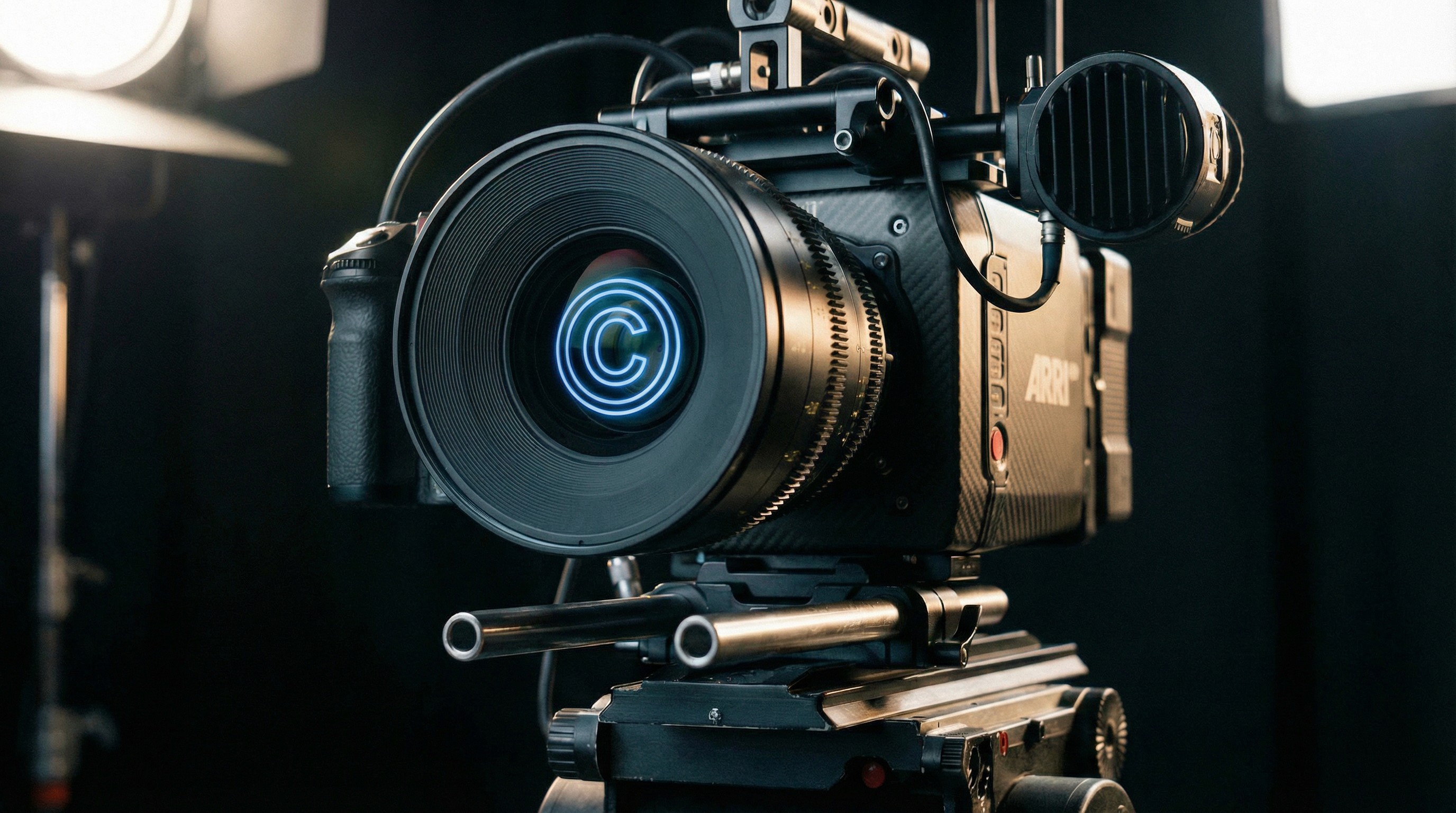
First, there is the matter of copyrights. By default, the person who records or creates the content owns the copyright according to the laws in the US.
This is why it’s important to be aware of any licensing and transfer stipulations of creatives you hire and get any transfer requirements concerning content in writing before work begins. It’s just as important to understand how laws work concerning freelancers and creatives classified as “work-to-hire.” Signed written agreements are paramount. Paying a creative in full will not negate copyright ownership.
(RIP Diane Keaton)
When you don’t properly secure ownership of content created about you, you risk losing control of your narrative and potentially millions as a result of your brand being tarnished. In Diddy’s case, In Diddy’s case, the very content meant to tell his story on his terms was used against him at his most vulnerable moment. Paying a creative in full will not negate copyright ownership. Unfortunately, that is something that Diddy has learned the hard way and that 50 Cent and Netflix are profiting handsomely from.